
The more we explored restaurant transparency, the more we realized how much important food information is still difficult to find online.
Not just for allergies.
Not just for ingredients.
For sourcing, preparation methods, religious dietary requirements, and cultural food preferences too.
One example that stood out to us was how difficult it can be to identify restaurants that serve jhatka meat.
Jhatka generally refers to meat from an animal slaughtered with a single swift cut, a method important to some Sikh and Hindu diners. For people who specifically look for jhatka, this is not a minor detail. It is the point.
They are not simply looking for “meat options.”
They are looking for a specific sourcing and preparation standard.
And online, that information is often missing.
Why Jhatka Meat Is Hard to Find on Restaurant Websites
At first, we assumed this would be easy.
Surely restaurants would mention it on their website.
Or on delivery apps.
Or somewhere on the menu.
But many simply don’t.
Sometimes the information exists only through word-of-mouth.
Sometimes customers have to call directly and ask.
And sometimes even that doesn’t lead to a clear answer.
For people specifically searching for jhatka restaurants, the process can quickly become frustrating.
A restaurant may list meat dishes.
It may describe the cuisine.
It may even mention general dietary accommodations.
But unless it clearly says the meat is jhatka, diners are still left guessing.
If Meat Is Halal, It Is Not Jhatka
For diners looking specifically for jhatka meat, one clear signal is whether the meat is labeled halal.
If meat is halal, it is not jhatka.
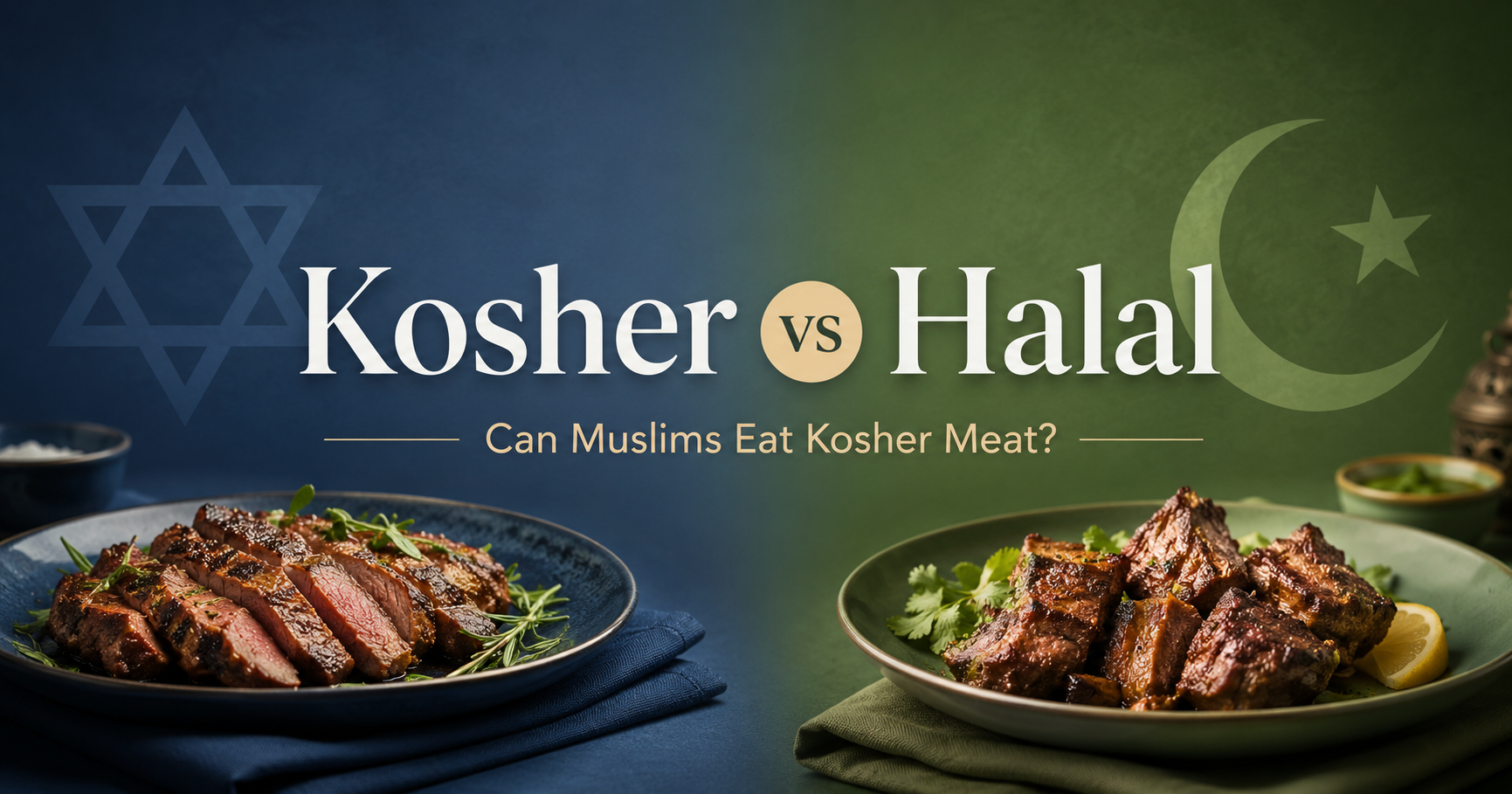
That distinction matters because halal and jhatka are not two versions of the same thing. They refer to different slaughter requirements.
So if a restaurant says its meat is halal, that does not help someone looking for jhatka. In fact, it tells them the meat is not jhatka.
The same broader point applies to vague wording like:
- religious dietary options
- special sourcing
- traditional preparation
- meat prepared according to dietary rules
Those phrases may sound helpful, but they are not specific enough.
For diners who require jhatka, the restaurant needs to say whether it serves jhatka meat.
Outside Major Communities, the Search Gets Even Harder
In areas with large Indian communities, people can sometimes rely on recommendations from friends, family, or local groups.
Someone knows which places to trust.
Someone has already done the research.
But outside those community clusters, finding reliable information becomes much more difficult.
Search results become inconsistent.
Restaurant websites provide little detail.
Delivery apps rarely include meaningful sourcing information.
And suddenly, something that should take minutes turns into hours of research.
Questions to Ask When Looking for Jhatka Restaurants
When jhatka information is not listed clearly online, diners often have to ask the restaurant directly.
Useful questions can include:
- Do you serve jhatka meat?
- Which meats or dishes are jhatka?
- Is all meat jhatka, or only certain items?
- Who is the supplier?
- Is any of the meat halal?
- Is the information consistent across all locations, or only this one?
- Are vegetarian dishes prepared separately from meat?
These questions are not about making dining complicated.
They are about avoiding vague answers when the detail matters.
If a diner is specifically looking for jhatka, “we have meat options” is not enough.
“Some items may work” is not enough.
“Religious dietary options are available” is not enough.
The useful answer is clear: whether the restaurant serves jhatka meat, and which dishes it applies to.
The Bigger Problem Is Food Transparency
What stood out to us wasn’t just the difficulty itself.
It was what that difficulty revealed.
Important food information is often fragmented, inconsistent, and difficult to verify online.
And this problem extends far beyond jhatka.
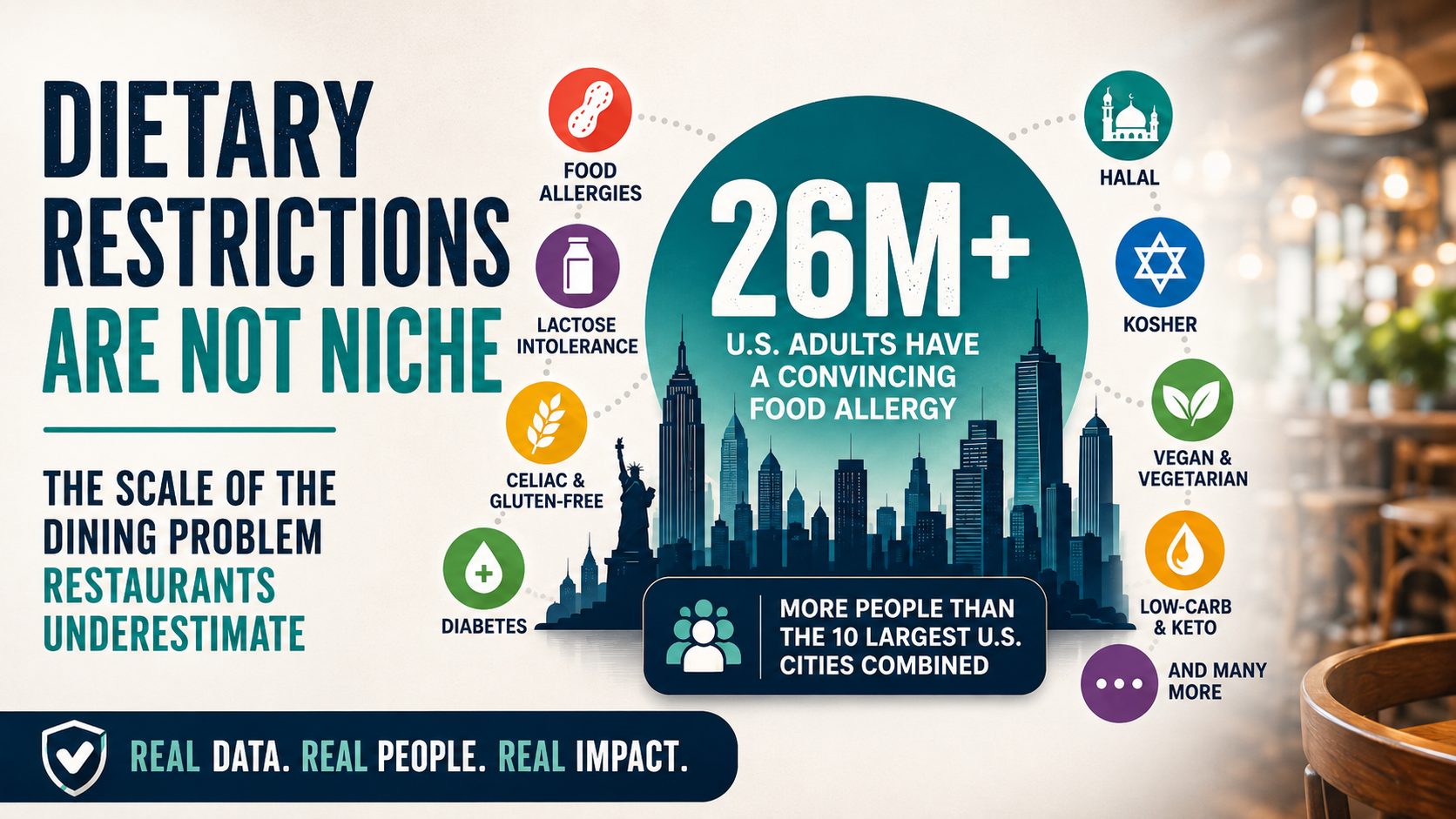
People managing multiple dietary restrictions often face similar challenges when trying to verify whether restaurants can safely accommodate them.
We see the same thing with:
- food allergies
- cross-contact concerns
- halal preparation
- kosher requirements
- vegan ingredient sourcing
- gluten-free safety practices
People are left trying to piece together information from menus, reviews, forums, and phone calls just to feel reasonably confident about where they can eat.
When Information Is Missing, People Restrict Themselves
When transparency is limited, people naturally become more cautious.
Some avoid certain restaurants altogether.
Others simplify their orders down to the safest possible option.
Sometimes people avoid certain foods entirely, not because they want to, but because finding reliable information feels impossible.
Not because they want fewer choices.
Because uncertainty makes those choices harder.
People Deserve Better Than Guesswork
This isn’t about criticizing restaurants.
Most genuinely want to serve their customers well.
The real issue is that modern restaurant discovery tools still aren’t built around transparency.
People deserve easier access to the information that matters to them.
Not after multiple phone calls.
Not after digging through online forums.
Not through guesswork.
Food brings people together.
And finding information about what we eat shouldn’t feel harder than it needs to be.
Sources and Notes
- Jhatka generally refers to slaughter by a single swift cut, while halal slaughter follows Islamic religious requirements. Religious and community standards can vary, so diners should follow the guidance they trust when deciding what works for them.